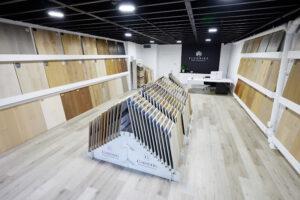
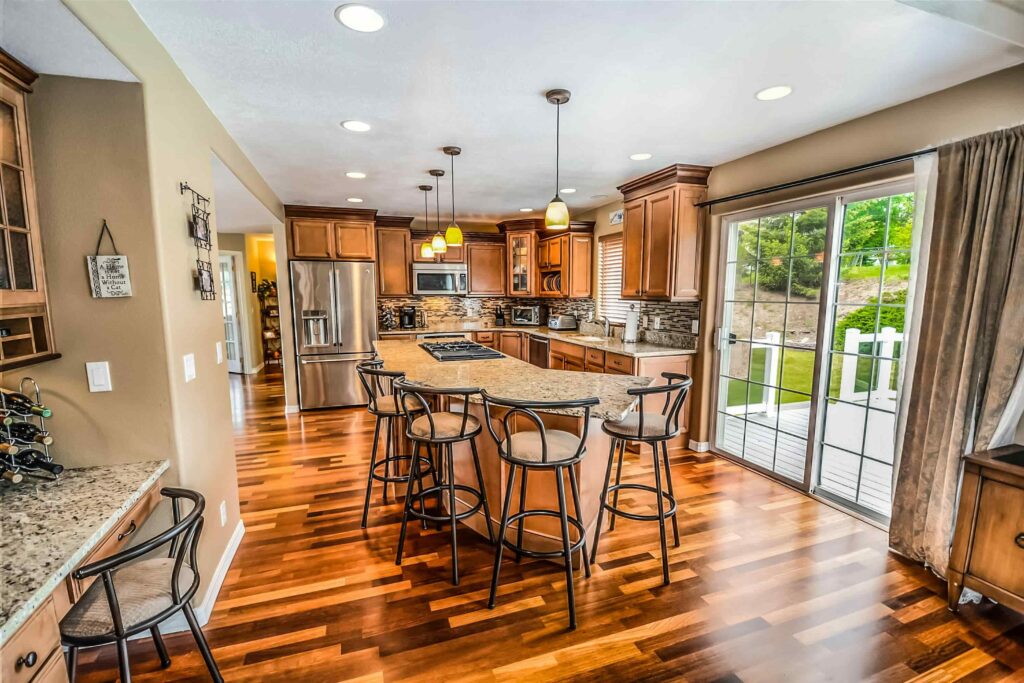
You are in the showroom, running a hand across a wide oak plank, and one question keeps circling back: how long is this floor actually going to last before you are doing all of this again? For a purchase this size, the answer is worth getting right before you commit.
Hardwood carries a reputation as the floor that lasts a lifetime, and unlike most flooring claims, this one holds up, with a catch. How long your floor really lasts swings on two things: the type of wood you choose and how you care for it. A thin engineered floor in a damp, busy kitchen and a solid oak floor in a dry, well-kept living room can live decades apart. The good news is that the difference is almost entirely in your hands.
The Real Lifespan of a Hardwood Floor
Hardwood is one of the only floors you renew instead of replace, and that single fact is the reason it lasts so long. Because solid wood is a thick, real-wood plank from top to bottom, its surface can be sanded down and refinished again and again over the years, erasing decades of wear in a day. Moisture is the one thing that shortens its life, since wood swells and shrinks as humidity changes, though major problems from dimensional changes can usually be avoided when indoor conditions are kept steady. Care for the wood and it rewards you for a very long time.
Hardwood Flooring Lifespan by Type
Not all wood floors are built to last the same length of time. The table below sets typical lifespans side by side with how many times each can be refinished.
| Flooring Type | Typical Lifespan | Times Refinishable | Notes |
| Solid hardwood | 50 to 100+ years | 4 to 7 | Refinishable for generations |
| Engineered hardwood | 20 to 40 years | 0 to 3, by wear layer | More stable in humidity |
| Laminate | 15 to 25 years | None | Replaced, not refinished |
| Luxury vinyl | 10 to 25 years | None | Waterproof, swapped when worn |
Solid hardwood clearly leads to longevity, while engineered wood trades some lifespan for better moisture stability. The next sections break down why those numbers land where they do.
Solid vs Engineered: Which Lasts Longer?
Both are real wood, though their construction gives them very different lifespans.
Solid Hardwood
Milled from one piece of wood around three-quarters of an inch thick, solid hardwood flooring can be sanded and refinished four to seven times across its life. That refinishing headroom is why it reaches 50 to 100 years and beyond, with many floors passing through several owners. It is the longest-lasting wood floor you can buy, and as long as it stays dry, there is almost always another decade left in it.
Engineered Hardwood
Engineered wood is a real-wood veneer bonded over a stable plywood core, which resists humidity swings better but limits refinishing. Everything hinges on the thickness of that top layer.
Thin Wear Layer (Under 2mm)
Budget engineered boards carry a thin veneer that often cannot be refinished at all. These floors typically last around 20 years and suit lighter-traffic rooms.
Thick Wear Layer (3mm or More)
A generous wear layer can be sanded once or twice, pushing lifespan toward 30 to 40 years and beyond. Premium, thick-veneer engineered oak nearly rivals solid wood while staying more stable in humidity.
Did You Know?
Some wood floors have been walked on for well over a century, and a few historic examples are older still. Hardwood is one of the rare building materials that can outlast the walls around it, given the occasional refinish.
What Affects Hardwood Flooring Lifespan
Two identical floors can age at very different rates. These factors decide how long yours lasts:
- Wood species and hardness: Dense woods like oak and hickory resist dents and wear that would mark softer pine
- Finish quality: A tough, well-applied finish is the wood’s armor, and it sets how soon the next refinish is due
- Foot traffic: A busy entry or kitchen wears years faster than a quiet bedroom
- Humidity: Wood lasts longest kept at 30 to 50% relative humidity, which limits swelling and shrinking
- Maintenance: Grit acts like sandpaper underfoot, so regular, correct cleaning quietly adds years
- Installation quality: A properly acclimated, well-laid floor simply outlives a rushed one
Control these and the years add up but if you ignore them the lifespan shrinks quickly.
How Refinishing Resets the Clock
Refinishing is the single biggest reason hardwood outlives every other floor. Sanding away the worn top layer and laying down a fresh finish erases years of scratches and dullness in a day. Most floors are ready for it every 7 to 10 years, depending on traffic, and each round can add another decade or more of life. A solid floor with several refinishes left in it is nowhere near the end of its story.
Quick Tip
Do not wait until the bare wood shows. Refinishing at the first sign of a worn finish, rather than deep damage, keeps each sanding light and lets you refinish more times over the floor’s life.
Signs Your Hardwood Floor Needs Replacing
Refinishing solves most problems, though not all. Replacement becomes the answer when you see:
- Worn through to the core: The veneer or solid wood is sanded to its safe limit
- Deep structural damage: Gouges, splits, or movement a sanding cannot fix
- Widespread water damage: Cupping, crowning, or rot beyond a refinish
- Soft or spongy spots: A sign of subfloor or moisture trouble underneath
Catching these early sometimes means replacing only a section rather than the whole floor. A professional can tell you whether a refinish will still do the job.
How to Make Hardwood Flooring Last Longer
Stretching your floor’s life is mostly about small, consistent habits:
- Control humidity: Keep indoor moisture in check year-round with heating and cooling
- Stop grit at the door: Mats and a shoes-off habit spare the finish
- Use felt pads: Under furniture legs to prevent scratches and dents
- Clean the right way: A wood-safe cleaner only, never a soaking or steam mop
- Refinish on time: Every 7 to 10 years, before wear reaches the wood
- Rotate rugs and block sun: To even out fading and traffic wear
None of these cost much, and together they can add decades. Consistent care is what separates a 30-year floor from a 100-year one.
How Hardwood Compares to Other Floors
Set against the alternatives, hardwood’s longevity stands out clearly:
- Carpet: 5 to 15 years
- Luxury vinyl: 10 to 25 years
- Laminate: 15 to 25 years
- Tile: 50 to 75 years
- Hardwood: 50 to 100+ years
Most floors are replaced several times in the span a single hardwood floor lasts. That longevity is a big part of why hardwood holds its value so well.
FAQs
Do hardwood floors really last a lifetime?
Solid hardwood can, and often outlasts one. Refinishing every 7 to 10 years and maintaining steady care can help it last 50 to 100 years or more. Engineered wood lasts 20 to 40 years, depending on its wear layer.
How often should hardwood floors be refinished?
Roughly every 7 to 10 years, sooner in high-traffic homes and later in quiet ones. Refinishing at the first sign of a worn finish, rather than deep damage, keeps each sanding light and extends the total number possible.
Does engineered hardwood last as long as solid?
Usually not, since its thinner veneer limits refinishing. Solid hardwood reaches 50 to 100+ years, while engineered runs 20 to 40. High-quality, thick-veneer engineered wood narrows that gap considerably.
What shortens a hardwood floor’s lifespan the most?
Moisture and poor humidity control top the list, followed by grit, harsh cleaning, and skipped refinishing. Keeping humidity in range and cleaning correctly prevents most premature wear.
Is it better to refinish or replace a worn floor?
Refinish whenever there is enough wood left, since it costs far less and preserves the original floor. Replace only when the wood is sanded to its limit or has structural or deep water damage.
Which flooring lasts the longest?
Solid hardwood and tile lead, both reaching 50 years and well beyond. Hardwood has the edge of being refinishable, letting a single floor look new again many times over its decades of life.
Built to Last for Generations
Hardwood flooring is one of the few home investments measured in generations rather than years. Choose solid or a thick-veneer engineered wood, keep humidity steady, clean it gently, and refinish on schedule, and your floor can easily outlast every other surface in the house.
At Floorika Fine Hardwood, we help Brooklyn homeowners choose floors built to last, from wide-plank European oak to solid hardwood, plus expert installation and refinishing to keep them looking their best for decades. Visit our Park Slope showroom at 558 4th Ave or call for guidance and a free quote.