Renovations in the city are rarely simple. Even when the layout seems straightforward, the decisions rarely are. Flooring has to look elevated, feel cohesive from room to room, and still hold up under real life, including heavy foot traffic, shifting seasons, and the daily pace of busy households.
That is exactly why designer flooring choices are not based on trends alone. Instead, designers focus on materials and installation styles that bring both visual impact and long-term performance. In other words, the goal is not just a beautiful floor on day one. The goal is a floor that still feels intentional years later.
From Brooklyn brownstones to modern apartments, and from refined Manhattan interiors to bright Hamptons homes, a few design specifications keep showing up again and again right now.
Let’s break down what designers are choosing most, and why these floors are shaping renovations across the region.
1) Wide Plank Hardwood Still Leads Designer-Specified Floors
Wide plank hardwood continues to be the signature look of high-end renovations because it instantly makes a space feel calmer and more cohesive. With fewer seams across the floor, the room looks less visually busy and more open, even when the square footage is limited.
At the same time, wider boards highlight the wood’s natural grain and movement. As a result, the floor becomes a warm foundation that supports everything else in the design.
Why wide planks work so well for city layouts
In many city homes, especially apartments and townhouses, rooms can feel segmented quickly. Wide plank flooring helps soften that effect because the lines of the floor run longer, creating a more continuous visual flow.
Additionally, wide planks pair beautifully with both classic architectural details and modern finishes. Whether the renovation includes original moldings or a minimalist redesign, wide boards make the space feel intentional and balanced.
The widths designers rely on for a balanced look
While it can be tempting to go as wide as possible, designers usually choose widths that fit the proportions of the home. A board that feels too wide in a small room can look heavy. Meanwhile, boards that are too narrow can make the floor feel overly patterned.
For that reason, designers often land in a “sweet spot” that feels substantial enough to look elevated, but still timeless enough to age well.
2) Engineered Hardwood: A Smart Designer Pick for Stability
Solid hardwood will always be a classic. However, engineered hardwood is often specified when renovation conditions require more stability without compromising the look of real wood.
This is especially common in older buildings, multi-level homes, or spaces where temperature and humidity fluctuate throughout the year.
Why layered construction matters in real homes
Engineered hardwood is built in layers, which gives it more dimensional stability than traditional solid planks. In practical terms, that means it tends to handle seasonal movement better over time.
That stability becomes even more important when wide plank flooring is part of the design. Since wider boards can react more noticeably to humidity changes, engineered construction often helps keep the floor looking clean and consistent year after year.
When designers choose engineered over solid wood
Engineered hardwood is frequently chosen when:
- the renovation includes wide planks throughout multiple rooms
- the home experiences noticeable seasonal humidity shifts
- the floor needs consistent performance across large spaces
- the project involves older subfloors or radiant heating
Ultimately, engineered wood is one of the most reliable ways to achieve a luxury hardwood look while protecting the investment long term.
Not sure which option fits your home best? Start here: Deciding on Floors: Solid Hardwood vs Engineered Hardwood Pros and Cons
3) Matte Finishes Are the Go-To Look in Designer Renovations
For years, glossy floors were considered the definition of luxury. However, designers are now leaning into matte and low-sheen finishes because they feel more modern, more natural, and far easier to live with.
Instead of shine, the goal today is a finish that looks elevated while staying practical.
Why low-sheen floors feel more modern and high-end
Matte finishes allow the wood to look like wood. They soften the grain rather than reflecting harsh light, which creates a more natural and relaxed look.
Just as importantly, low-sheen finishes photograph beautifully and work well across many design styles, from minimalist renovations to classic, transitional interiors.
Why glossy floors show wear faster than you’d expect
Glossy floors can look stunning when freshly installed, but they tend to highlight everything:
- Dust
- Smudges
- Footprints
- Eeven light scratches.
In busy households, that becomes frustrating quickly. For that reason, designers often recommend finishes that still look polished, but do not require constant upkeep to maintain that “just-installed” appearance.
4) Wood Grade Choices That Shape the Feel of a Renovation
One of the most overlooked flooring decisions is not the wood species itself, but the grade and personality of the boards. Designers choose the grade based on how they want the space to feel.
In other words, the floor can either fade into the background, or it can bring character into the room.
Select-grade floors for a clean, refined style
Select-grade boards typically have fewer knots and less natural variation. This creates a calmer and more uniform look, which works especially well in modern renovations or homes with bold design elements already in place.
Because the floor stays visually quiet, select grades are perfect when homeowners want the space to feel clean, controlled, and elevated without distraction.
Character-grade floors for warmth and natural texture
Character-grade flooring includes more knots, movement, and organic variation. Rather than feeling imperfect, it creates warmth and depth that feels natural and intentional.
This style is especially popular in brownstone renovations and transitional homes where homeowners want charm, texture, and a space that feels lived-in, yet still luxurious.
5) Patterned Installations Designers Use for Statement Spaces
Although wide planks dominate many renovations, patterned installations are coming back in a more strategic and design-forward way. Instead of using patterns everywhere, designers are specifying them for statement zones where they add instant impact.
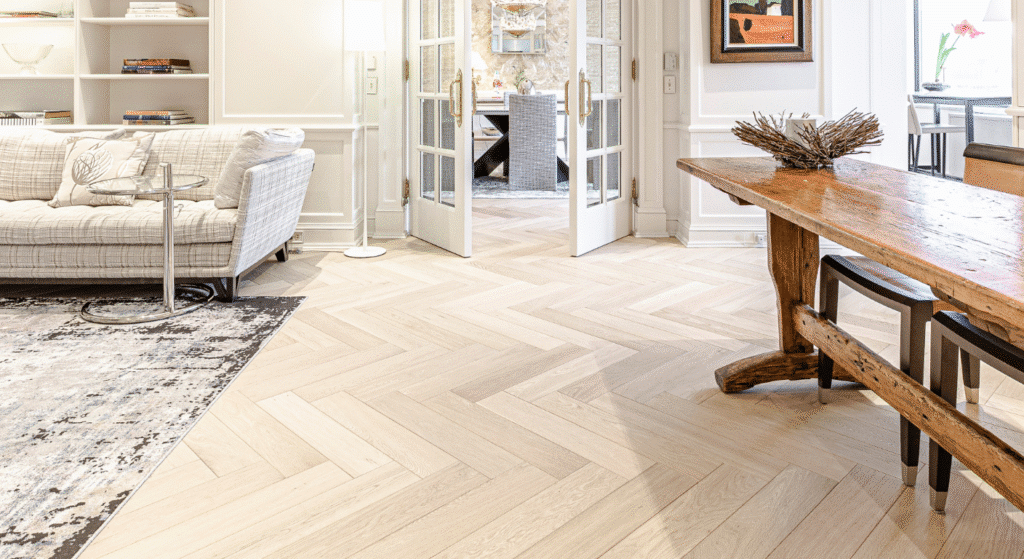
Herringbone for timeless detail
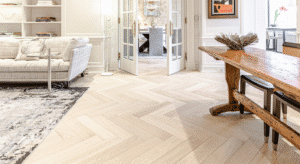
Herringbone remains one of the most requested looks because it adds elegance without relying on bold furniture or decor. It’s commonly specified for entryways, hallways, and dining rooms because it adds visual structure and makes the space feel custom.
Chevron for a crisp, modern finish
Chevron offers a sharper, more geometric look than herringbone. Because of that, it works beautifully in sleek renovations where clean lines and symmetry are part of the design vision.
Parquet for classic architectural character
Parquet is especially relevant in classic interiors because it connects to traditional architecture while still feeling elevated when paired with updated finishes. When done well, parquet feels timeless, detailed, and distinctive.
Want more design options? What Are the Different Patterns That Hardwood Floors Can Be Installed In?
6) Stain Colors Designers Are Choosing More Intentionally
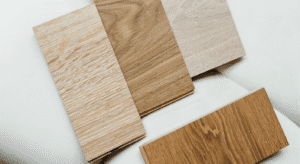
Natural tones remain popular, but staining is making a strong comeback. The difference is that today’s stains are being chosen with more precision.
Instead of extremely dark floors or overly warm tones, designers are leaning toward finishes that feel adaptable and modern.
Warm neutrals that stay timeless
Warm neutrals and soft browns create a rich foundation without locking the homeowner into one style. They pair well with both warm and cool palettes, making it easier to refresh the space later through paint, furniture, or decor changes.
The white oak look, with more depth and dimension
Many homeowners love the airy feel of white oak-inspired finishes. However, designers are choosing versions that still feel bright while maintaining depth.
That means subtle variation, soft grain visibility, and tones that feel natural rather than washed out or flat.
7) Luxury Vinyl Plank: A Practical Choice Designers Specify Strategically
Luxury vinyl plank is not meant to replace hardwood in every renovation. Instead, designers use it as a strategic solution when performance matters most.
In the right space, it can be one of the smartest choices a homeowner makes.
Why designers use it for durability and moisture resistance
Luxury vinyl plank is a strong fit for rooms where spills, moisture, and daily wear are part of life. It can also be a great option for households that want a wood look without worrying about constant upkeep.
When selected carefully, it still looks elevated, especially when the color and grain are chosen to match the style of the home.
Where LVP makes the most sense in a renovation
Designers often specify luxury vinyl plank for:
- basements and lower levels
- kitchens where spills are common
- rentals where durability matters most
- entryways with heavy daily use
When chosen well, luxury vinyl can still look elevated. More importantly, it helps create a home that feels realistic to maintain.
8) Hamptons Flooring Style: Light, Natural, and Effortless
Hamptons interiors are not just “white and bright.” Designers aim for a very specific balance: relaxed but refined.
That is why flooring choices out there tend to emphasize natural light and softness, without looking too raw or rustic.
The finish and tone designers aim for in coastal homes
In coastal renovations, designers often specify:
- light, warm-toned wood looks
- natural finishes with minimal sheen
- long, wide boards for seamless flow
The result is a floor that feels timeless and easy to live with, which is exactly what coastal luxury should be.
The Common Thread Behind Today’s Designer Flooring Choices
Across all of these design styles and renovation types, one theme is consistent: designers choose floors that age beautifully.
Instead of chasing trends, they look for the right balance of scale, stability, texture, and finish. When those details align, the entire renovation feels more intentional, more high-end, and more comfortable to live in.
Work With Floorika Fine Hardwood for Designer-Level Results
At Floorika Fine Hardwood, we help homeowners and designers bring these flooring decisions to life with craftsmanship, precision, and real-world guidance.
Whether your renovation is in Brooklyn, Manhattan, the Hamptons, or nearby communities, our team can help you choose:
- the right wood and grade
- the best plank width for your layout
- the ideal finish for your lifestyle
- statement designs like herringbone, chevron, or parquet
Visit Floorika Fine Hardwood to explore your options and schedule a consultation.