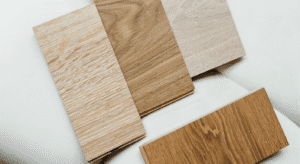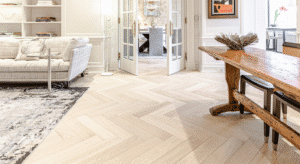
Choosing the right plank width is one of the most impactful decisions you can make when planning a hardwood or engineered wood floor.
Beyond material and finish, plank width shapes the visual flow of your space, influences how a room feels once furnished, and can even affect installation complexity and long-term performance.
Wide plank flooring is more than a trend. It is a design statement. Boards that are wider than traditional narrow strips bring a timeless, open, and seamless feel to interiors. However, selecting the right width requires more than choosing what looks good in a small sample.
This is especially true in homes throughout New York, where architectural styles range from classic townhouses to airy coastal residences.
In this guide, we will walk through the key factors that help you choose a plank width that fits your space, aesthetic goals, and lifestyle.
What Does “Wide Plank” Really Mean?
Before exploring specific options, it helps to define what wide plank flooring actually refers to.
Traditional hardwood strips
Traditional hardwood strips typically measure between 2¼ and 4 inches wide. Once boards exceed this range, the floor begins to take on a different visual presence.
Wide plank flooring
Wide plank flooring generally starts at widths of 5 inches and can extend to 8, 10 inches, or more in premium installations. As planks get wider, fewer boards are needed to cover the same area. This results in fewer seams and allows more of the wood’s natural grain to be visible.
Because of this, wider planks interact differently with room dimensions, light, and movement than narrower options. This interaction is what gives wide plank floors their appeal, but it is also why width selection deserves careful consideration.
Also read: Should I Refinish Or Replace My Hardwood Floors?
Start with Your Room Size and Layout
Once you understand what qualifies as wide plank flooring, the next step is to consider the space where it will be installed. Room size and layout play a significant role in determining which widths feel balanced rather than overwhelming.
Small Spaces and Narrower Wide Planks
In rooms with limited square footage, such as smaller bedrooms, offices, or hallways often found in city apartments, extremely wide boards can sometimes dominate the space visually.
In these cases, moderately wide planks in the 5 to 6 inch range tend to work best. They reduce visual clutter while preserving openness, helping the room feel proportionate and comfortable.
Medium to Large Rooms
In larger living areas, including open-concept spaces or homes with generous layouts, wider boards often create a sense of continuity that enhances the architecture.
Widths between 6 and 9 inches allow the eye to move smoothly across the floor, contributing to a calm and expansive feel. This effect is especially popular in renovated Brooklyn homes or modern residences where flow between rooms is a priority.
Long or Narrow Rooms
For elongated spaces, plank orientation becomes just as important as width. Installing planks parallel to the longest wall can help visually widen the room.
When paired with a moderate wide plank, this approach balances proportion and improves overall flow without exaggerating the room’s shape.
Style and Aesthetic Goals
Beyond layout considerations, plank width directly influences a room’s design expression.
Seamless, Contemporary, and Clean
Wider planks naturally minimize seams and highlight the wood’s grain and texture. As a result, they work particularly well in contemporary and minimalist interiors, where simplicity and clean lines are key.
When the goal is a sleek and modern aesthetic, widths between 6 and 10 inches often feel intentional and refined.
Classic, Rustic, or Traditional
For homes with a more classic or historic feel, including older townhomes or properties with original architectural details, wider planks can still work beautifully.
When paired with distressed finishes or handscraped textures, broader widths feel warm and grounded. Alternatively, slightly narrower wide planks maintain visual rhythm while preserving traditional charm.
Transitional and Mixed Width Patterns
In some designs, variation adds interest. Designers sometimes use mixed plank widths to introduce subtle movement without overwhelming the space.
While this approach does not point to a single ideal width, it reinforces the idea that plank size should support the overall design narrative rather than be chosen arbitrarily.
Aesthetic vs. Practical Considerations
While wider boards can elevate a space visually, they also come with practical realities that should inform your decision.
Subfloor Sensitivity and Stability
Wider planks are more sensitive to subfloor flatness and changes in humidity. Because each board spans more surface area, even minor imperfections in the subfloor can become noticeable. In addition, wider boards can show expansion and contraction more clearly than narrower planks.
For this reason, proper acclimation, moisture control, and professional installation become increasingly important as plank width increases. In regions with seasonal humidity changes, including coastal areas like the Hamptons, engineered wide plank flooring often provides greater dimensional stability than solid wood.
Installation and Cost Impacts
Wider planks can sometimes reduce installation time, since fewer boards are needed to cover the same space. However, material costs are often higher.
Larger boards require more selective milling and result in greater material waste, which can affect pricing. For this reason, overall cost should always be evaluated by considering both materials and installation requirements.
Also read: Cost of Hardwood Flooring: How Much Do Different Types Cost?
How Wide Should Your Planks Be?
There is no one-size-fits-all answer when it comes to plank width. However, certain ranges tend to align well with common design goals.
5″–6″ Wide
Planks between 5 and 6 inches wide are ideal for smaller rooms or spaces with traditional design influences. They strike a balance between openness and proportion.
6″–9″ Wide
Widths between 6 and 9 inches are among the most versatile options. They suit most living rooms, dining areas, and open layouts, providing continuity without overwhelming the space.
9″+ Wide
Planks wider than 9 inches work best in large formats where the floor itself becomes a focal point. These widths are often chosen for open-concept homes or coastal residences where grain and continuity are central to the design.
These ranges serve as guidelines rather than rules. Room proportions, ceiling height, lighting conditions, and furniture scale should always influence the final choice.
How Light and Grain Patterns Affect Perception
Lighting plays a critical role in how plank width is perceived.
Wider planks highlight the wood’s natural grain, knots, and character. This can add warmth and visual interest, especially in spaces with abundant natural light. However, in darker rooms, very wide planks with strong grain patterns can feel heavier.
Color Considerations
Color also matters. Lighter wide planks tend to make rooms feel brighter and more spacious, while darker tones create a grounded and inviting atmosphere.
Considering how the floor interacts with both sunlight and artificial lighting throughout the day helps ensure the width you choose feels balanced in all conditions.
Choosing a Width That Will Still Feel Right Over Time
Choosing the right width for wide plank flooring is as much about longevity as it is about style.
Wider boards can create a luxurious, seamless look that visually expands a room and supports open layouts.
At the same time, practical factors such as room size, subfloor condition, humidity patterns, and installation readiness must not be overlooked.
Ultimately, the best width is one that harmonizes your design goals with the realities of your space and lifestyle. When these elements are aligned, the floor continues to feel right long after trends change.
Choosing the Best Width with Professional Guidance
At Floorika Fine Hardwood, we help homeowners look beyond samples and trends when selecting wide plank flooring. Choosing the right width is one of the most important decisions in the process, and it deserves thoughtful guidance.
We guide clients through:
- evaluating room proportions and layout
- balancing plank width with wood species and grade
- understanding performance considerations before installation
If you are planning a wide plank floor and want help choosing a width that truly fits your home, visit Floorika Fine Hardwood to explore your options and schedule a consultation.