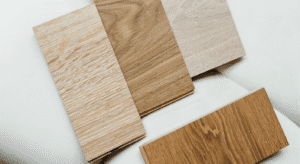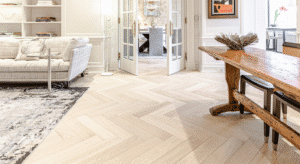
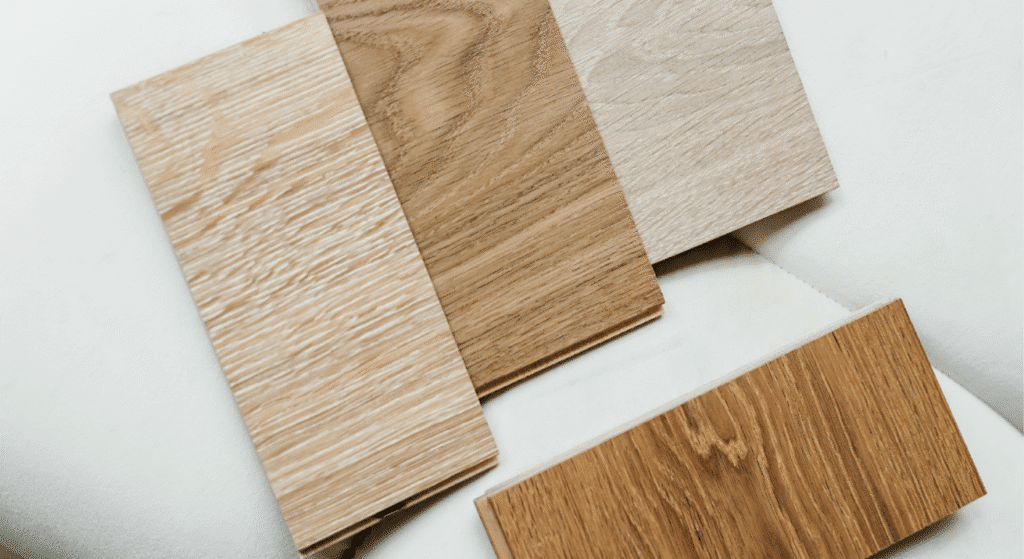
If you’re shopping for oak flooring, you’ve probably noticed it’s no longer a simple “oak is oak” situation. Designers, builders, and homeowners are getting far more specific, and for good reason.
The type of oak you choose influences more than just the color of your floor. It affects how the space feels, how the wood takes stain, and how well your investment holds up over time.
That’s exactly why one comparison keeps showing up in conversations, especially in design-driven markets like New York.
European oak vs American oak flooring.
At first glance, these two can look similar in photos or small samples. However, once you understand how they differ in grain, tone, consistency, and overall performance, the decision becomes much clearer. And in many renovations, European oak ends up being the premium choice because it delivers a richer look and a more “crafted” finish.
Let’s break down the differences in a way that actually helps you make the right decision for your home.
1) Grain Pattern: One Feels Refined, the Other Feels More Minimal
Grain pattern is where many homeowners stop thinking “oak is oak” and start seeing the difference immediately. While tone sets the mood, grain determines whether your floor feels soft and calm or full of texture and movement.
European oak typically shows a more expressive grain, often with gentle waves, swirls, and visible natural character that makes the boards feel crafted instead of generic. Because of this, European oak can add personality to a home without relying on bold decor or heavy styling.
American oak, in comparison, usually has a straighter and more uniform grain pattern. It’s subtle, clean, and balanced, which makes it a popular choice for modern interiors where the goal is a seamless, quiet foundation.
That said, if you’re drawn to floors that feel “custom” and layered, European oak often delivers that more naturally, especially in wide plank styles where the grain becomes a bigger visual feature.
Once it’s installed across a full room, you’ll notice this:
- European oak often feels richer and more design-forward
- American oak often feels sleek, simple, and understated
Neither is wrong. It just depends on whether you want your floors to blend in or quietly stand out.
Before you choose: Exploring Different Hardwood Species and Their Characteristics: Your Ultimate Wood Guide
2) Plank-to-Plank Variation: Why Your Floor May Look Different Than the Sample
Wood is natural, and variation is part of what makes hardwood special. However, not all oak floors vary in the same way. The bigger difference isn’t whether variation exists, but whether it feels intentional once installed.
European oak often creates a more cohesive visual flow, especially when boards are sorted and graded carefully. Even when the planks have movement, the overall look tends to feel blended, which helps the space read calmer and more expensive.
American oak can show more contrast between planks, depending on the cut, the grade, and the batch. For some homeowners, that contrast adds charm. For others, it can feel a little busier, especially in open layouts where the floor runs across multiple rooms.
This is one reason designers don’t choose flooring based only on a small sample. They consider how the planks will look together across the entire floor, not just in one square foot.
If you want the quick version:
- European oak usually looks more seamless and curated
- American oak often shows more natural contrast across boards
If you prefer a smoother “one-floor” look in open spaces, European oak often feels easier to control visually.
Want a clearer comparison? Deciding on Floors: Solid Hardwood vs Engineered Hardwood Pros and Cons
3) Durability and Hardness: The Real Factor Is the Finish, Not Only the Wood
Many homeowners assume durability is only about hardness. While that matters, daily wear depends just as much on the finish, texture, and sheen level as it does on the wood species.
Both European oak and American oak are strong hardwoods. In most homes, you won’t feel a dramatic difference in “hardness” from one to the other. What you will notice is how the floor looks after real life happens: chairs moving, shoes coming in, pets running through, and everyday traffic.
European oak is often paired with finishes that highlight depth and texture. This doesn’t just look beautiful, it can also help disguise micro-scratches and small signs of wear.
American oak is often finished in cleaner, lighter tones. While this can look stunning, certain lighter finishes (especially if they’re smoother and more uniform) may show dust, footprints, and fine marks more easily.
Here’s the practical takeaway:
- European oak often keeps a “luxury look” longer because texture helps soften wear
- American oak can look crisp and clean, but may show daily marks faster depending on the finish
When durability matters, choosing the right finish is just as important as choosing the right oak.
4) Stability and Movement: Why European Oak Is Often Chosen for Wide Planks
One of the biggest reasons homeowners invest in oak floors is because they want wide planks. Wide plank flooring creates a calmer flow, fewer seams, and a more open feel, especially in spaces where you want the floor to feel like a true foundation.
However, wide planks also require stability.
Wood naturally expands and contracts with changes in humidity and temperature. That movement can show up as minor gapping or shifting if the flooring isn’t properly acclimated or installed.
European oak is often viewed as a more stable choice for wide plank formats, especially when it’s milled, dried, and installed correctly. This can make a difference in homes that go through seasonal changes, heating cycles, and the everyday moisture shifts that come with real living.
American oak can also work beautifully in wide planks. Still, depending on board selection and product construction, it may show variation or movement more noticeably across large spaces.
Simply put:
- European oak wide planks often stay calmer and more consistent over time
- American oak wide planks can still be beautiful, but need careful planning to look seamless
If wide planks are a priority in your renovation, European oak is often the easier path to a high-end result.
5) Finishing Results: European Oak Often Creates More Depth and Dimension
Finishing is where oak floors either look flat or look custom. Even if two floors share the same stain name, the final result depends on how the wood absorbs and reflects the finish.
European oak tends to create a more layered finish effect. It often brings out depth in the grain, giving the floor a richer, more dimensional appearance, even when the color is subtle and neutral.
American oak often delivers a cleaner, more uniform finish result. That’s great for homeowners who want predictability and consistency, especially in lighter tones.
However, if your goal is a floor that feels “high-end without trying too hard,” European oak often brings more richness naturally.
The easiest way to picture it is this:
- European oak typically looks deeper and more textured in premium finishes
- American oak typically looks smoother and more minimal in lighter finishes
If you want a floor that feels custom, European oak often brings that effect more naturally.
6) European Origin and Craftsmanship: Why European Oak Feels More Premium
European oak isn’t just another hardwood option. For many homeowners, it’s a design choice that carries a certain level of expectation.
European oak has been used for centuries in classic architecture and high-end interiors. That legacy shows up in how the wood is selected, how planks are milled, and how finishes are designed to enhance grain rather than hide it.
In practice, homeowners tend to associate European oak with:
- a more architectural plank look
- a curated, luxury feel across the floor
- wide plank designs that feel intentional, not mass-produced
- finishes that feel refined and layered
That’s also why European oak is often chosen in renovations where the floor needs to feel like a design element, not just a surface.
When you step back and look at the full space:
- European oak often feels elevated, warm, and crafted
- American oak often feels clean, neutral, and timeless
If your goal is a floor that feels truly premium, European oak often gives you that luxury foundation.
7) Why European Oak Often Wins in High-End Renovations
At the end of the day, both European oak and American oak are great choices. Still, European oak is often preferred in high-end renovations because it creates a floor that feels warm, calm, and intentionally designed.
It works especially well for homeowners who want:
- a seamless wide plank look
- a finish with depth instead of flatness
- a floor that feels upscale, but still livable
American oak remains a classic option, especially when you want a lighter, more minimal aesthetic with a uniform grain.
Most of the time, it comes down to the look you want:
- European oak feels architectural and rich
- American oak feels clean and understated
If you’re building a renovation meant to feel elevated for years, European oak is often the premium choice.
Choose the Right Oak Flooring with Floorika Fine Hardwood
At Floorika Fine Hardwood, we help homeowners choose oak flooring the way designers do. That means we look beyond the sample board and focus on what actually matters: lighting, layout, plank width, finish, and long-term performance.
Whether you’re renovating a Brooklyn brownstone, updating a Manhattan apartment, designing a coastal home in the Hamptons, or working on a project nearby in New Jersey, our team can guide you through:
- selecting the right grade and tone
- choosing plank width that fits your layout
- finding finishes that match real life and real wear
- ensuring your floor is installed for long-term stability
If you’re ready to explore premium European oak flooring options and compare the best styles for your home, visit Floorika Fine Hardwood to schedule a consultation.