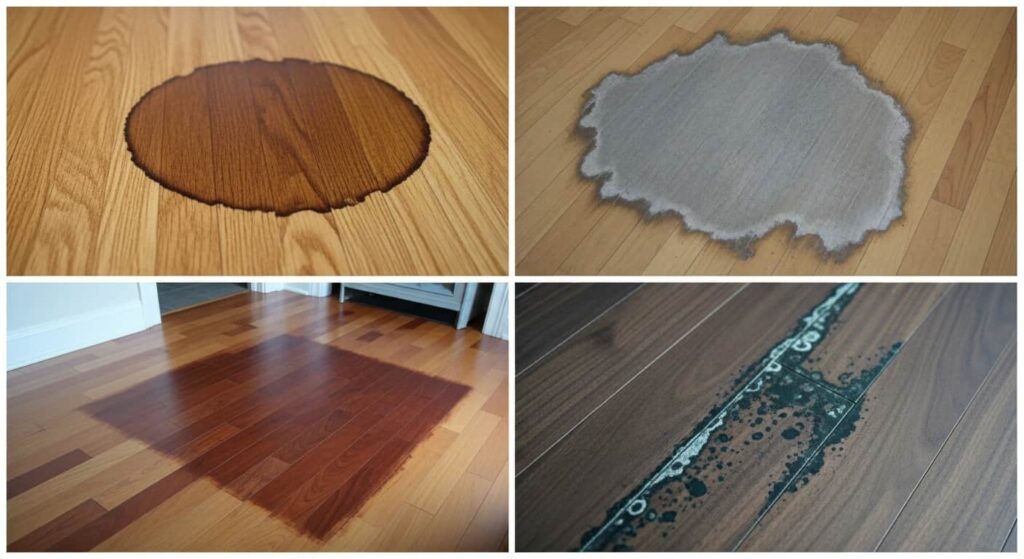
Hardwood floors are a staple of timeless elegance in homes across the globe. Their rich warmth, durability, and natural beauty make them a sought-after choice for interior design. But, like any cherished element in your home, hardwood floors can show signs of wear and tear over time sometimes in the form of discoloration. If you’ve started noticing dark stains, lighter patches, or yellowish tones creeping in, you’re not alone. Floor discoloration is a common issue that many homeowners face.
Understanding the root causes of hardwood floor discoloration is essential for both prevention and proper care. In this post, we’ll explore the most common reasons your hardwood floors might change color, the underlying factors, and actionable advice to protect them from further damage. We’ll also offer insights on how to restore the natural beauty of your wood floors.
1. Moisture and Water Damage
Water is one of the most notorious enemies of hardwood floors. When moisture seeps into the wood, it can cause a range of discoloration issues. There are several ways moisture can harm your hardwood floors:
a. Spills and Accidents
Accidental spills—whether from water, pet urine, or food—are a primary cause of discoloration. If not cleaned up immediately, these liquids can penetrate the wood finish and cause dark stains. In the case of pet urine, the ammonia content can break down the wood fibers, leading to permanent dark spots that are difficult to remove.
b. High Humidity
Living in a humid environment can also cause problems for hardwood flooring. Consistently high humidity levels can make the wood swell and warp. The added moisture can encourage mold and mildew growth, which manifests as dark, unsightly patches on the surface. This damage can be especially problematic in areas with poor ventilation or inadequate climate control.
c. Improper Cleaning
Using too much water or harsh cleaning methods (such as steam mopping) can also contribute to moisture damage. Excess water can seep into the seams between planks, causing swelling, warping, and discoloration. Always use a damp mop, not a wet one, and ensure the cleaning product is specifically designed for hardwood floors.
2. Sunlight Exposure
UV rays are another major culprit in causing hardwood floor discoloration. While sunlight brings life to any room, it can be harmful to your floors over time.
a. Fading and Bleaching
Direct UV exposure gradually breaks down the finish and the wood fibers themselves, leading to lighter spots or an overall faded look. Oil-based polyurethane finishes are particularly vulnerable to this effect, often developing a yellowish tint over time.
b. Darkening
While some woods, such as cherry and walnut, darken naturally over time due to UV exposure, others, like maple and oak, tend to lighten. This process is known as oxidation. Oxidation occurs as the wood reacts to both light and air, causing subtle changes in the wood’s color. However, if the exposure is uneven (like under rugs or furniture), the resulting discoloration can appear patchy or inconsistent.
3. Chemical Reactions and Improper Cleaning
The cleaning products you use play a crucial role in the longevity and appearance of your hardwood floors. Harsh chemicals or improper cleaning techniques can cause irreversible damage.
a. Harsh Chemicals
Products containing ammonia, bleach, or other harsh chemicals can interact negatively with the finish of your hardwood floors. This often results in discoloration, including yellowing, lightening, or dark spots. It’s crucial to use pH-neutral floor cleaners that are specifically designed for hardwood.
b. Improper Application
Inconsistent application of cleaners or polishes can also lead to discoloration. For example, if a floor polish is applied unevenly or left to sit for too long, it can create streaks or a dull, discolored appearance. Always follow the manufacturer’s guidelines for product use.
c. Residue from Cleaning or Stripping
Cleaning products that leave behind a residue, especially after floor stripping, can cause yellowing or other discoloration over time. Ensure you thoroughly rinse and dry your floor after using any chemical products.
4. Pet Accidents
If you have pets, you’re likely already aware of their impact on your floors. Pet accidents, especially urine, are a major cause of discoloration on hardwood floors.
a. Acidic Stains
Pet urine contains ammonia, which is highly acidic and can break down the wood finish. This creates dark, unsightly stains that penetrate deeply into the wood. The longer the urine sits, the worse the damage becomes, potentially requiring sanding or refinishing to restore the floor.
b. Odor and Staining
Pet stains can also result in lingering odors. Once urine has penetrated the wood, it becomes very difficult to clean. In many cases, professionals will need to use specialized methods, such as deep cleaning or refinishing, to restore the floor’s appearance and eliminate the smell.
5. Age and Oxidation
Wood is a natural material that changes over time. Some discoloration is simply a result of the aging process.
a. Natural Aging
As hardwood ages, it undergoes a process called oxidation. This is a natural chemical reaction that occurs when the wood interacts with air and light. The wood gradually darkens, adding a rich, vintage look to older floors. For instance, walnut floors may darken significantly, while maple tends to become amber or yellowish over time. This aging process is often considered a desirable feature, as it gives the wood character.
b. Wood Species Variation
Different wood species react to age differently. Cherry, for example, becomes darker as it ages, while oak becomes richer and warmer. Understanding the aging process of your specific wood type can help you anticipate these natural changes and appreciate them rather than be alarmed by them.
6. Furniture and Rug Placement
Have you ever moved a rug or piece of furniture and discovered a stark difference in the color of the floor underneath? This is called “ghosting.”
a. Protection from Sunlight
Areas covered by rugs or furniture are protected from sunlight, so they don’t undergo the same fading or darkening that exposed areas do. As a result, when you move the rug or furniture, you may notice a clear difference in color between the exposed and covered areas.
b. Dirt and Residue
Furniture or rug placement also affects the accumulation of dirt and debris. In some cases, the floor under furniture can appear cleaner or darker than other areas simply due to the lack of foot traffic or cleaning.
7. Manufacturing Defects and Natural Variability
Sometimes, discoloration can occur due to factors outside your control, such as manufacturing defects or natural wood variations.
a. Wood Variability
Wood is a natural material with inherent color variations. These can include mineral streaks, sap stains, or other natural imperfections that might cause discoloration. While manufacturers attempt to standardize their products, it’s impossible to remove every natural feature from the wood.
b. Defects During Processing
Occasionally, floors may have imperfections or discoloration that result from defects during the milling or finishing process. These could include uneven stain application, flaws in the finish, or color inconsistencies that are noticeable after installation.
How to Protect Your Hardwood Floors From Discoloration
To avoid or minimize discoloration on your hardwood floors, here are some key preventive measures:
- Use Rugs or Mats: Place rugs or mats in high-traffic areas and near entryways to protect your floors from dirt, moisture, and UV exposure.
- Keep Humidity Levels in Check: Invest in a dehumidifier if you live in a humid area. Try to keep indoor humidity levels between 35-55%.
- Clean Carefully: Use a dry or slightly damp mop and avoid harsh chemicals. Stick to pH-neutral cleaners made for wood floors.
- Minimize Sun Exposure: Consider using UV-blocking window treatments or applying a UV-resistant finish to your floors.
- Refinish Periodically: Refinishing your hardwood floors every 5–7 years can help restore their natural beauty and even out any discoloration.
Also Read: The Dos and Don’ts of Steam Cleaning Hardwood Floors
Should You Get Professional Help For Your Discolored Hardwood Floor?
Most discoloration requires professional expertise. Deep stains from water damage or pet urine, for example, often simply need good sanding and refinishing by a professional. Sun damage that’s created uneven coloring might require complete floor refinishing to restore uniformity.
At the end of the day, there are so many different reasons why your hardwood floors in Brooklyn could be discolored. But there’s only one solution: refinishing. That too, by the best in town, Floorika Fine Hardwood!
Contact us today and let us restore your floors to their original, beautiful state!


