Vinyl has earned a very different reputation than the one it carried a decade ago. What was once dismissed as the budget choice now sits comfortably in some of the most thoughtfully designed homes across Brooklyn, and homeowners are increasingly specifying it on purpose rather than as a compromise.
The shift comes down to two changes. First, the product itself has evolved. Today’s rigid-core vinyl plank looks and feels closer to engineered hardwood than to the printed sheet vinyl most people picture. Second, the way New York renovations approach moisture, durability, and design flexibility has changed.
That is exactly why vinyl floor installation in Brooklyn has become one of our most requested services. For the right home and the right room, it solves problems hardwood cannot.
1) Why Vinyl Belongs in a Modern Brooklyn Interior
For years, vinyl was associated with rentals and quick fixes. That image no longer matches the reality of premium vinyl flooring. The newest generation is engineered with rigid cores, deep embossing, and wide-plank dimensions that read as wood from any normal viewing distance.
How today’s vinyl looks different
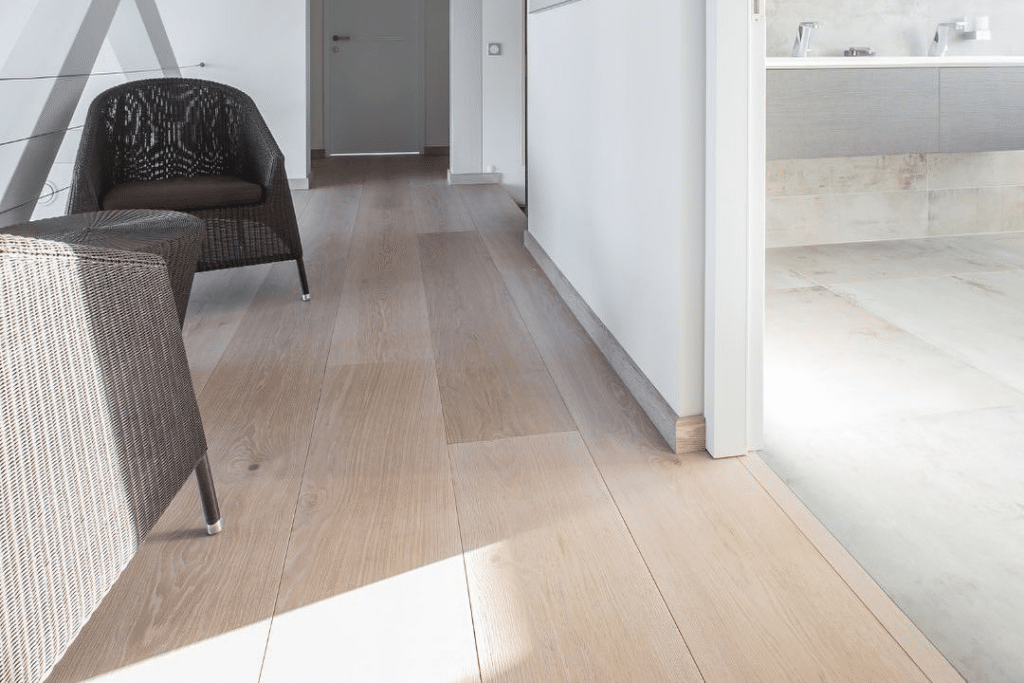
Premium vinyl now comes in long, wide planks with realistic grain texture that aligns with the printed décor layer. The edges are micro-beveled, which mimics the way real hardwood installations sit together. The sheen is low, which suits the matte aesthetic that contemporary Brooklyn interiors are calling for right now.
As a result, a well-chosen vinyl floor can sit comfortably alongside designer cabinetry, custom millwork, and high-end fixtures without pulling the room down.
2) Waterproof Performance That Hardwood Cannot Match
The single biggest reason homeowners choose vinyl is water. Brooklyn apartments deal with leaks, humidity swings, radiator drips, and the everyday wear of busy households. Premium rigid-core vinyl is fully waterproof through the plank itself, not just sealed on the surface.
Rooms where waterproof flooring makes the biggest difference
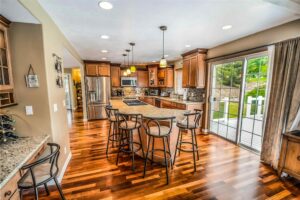
- Kitchens, especially open-plan layouts that flow into the living room
- Bathrooms and powder rooms
- Mudrooms and entryways
- Basements and garden-level units
- Laundry rooms
For these spaces, vinyl is not a downgrade. It is the right material.
3) Understanding the Vinyl Categories We Install
Vinyl is a broad category, and not all products perform the same way. At Floorika, we match each product type to the home and the room.
The four main types
Luxury Vinyl Plank (LVP) is a long plank format with realistic wood looks, best for living rooms, bedrooms, and open-plan spaces. Luxury Vinyl Tile (LVT) uses a tile format that mimics stone or ceramic, well-suited to kitchens and bathrooms. Stone Plastic Composite (SPC) is a rigid-core option that is highly dent-resistant, making it a strong fit for high-traffic areas and homes with kids or pets. Wood Plastic Composite (WPC) adds warmth and sound absorption underfoot, often chosen for bedrooms and quieter living spaces.
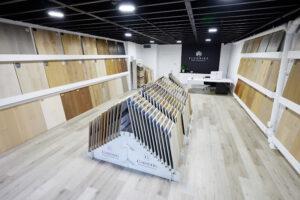
Choosing the right category is something we walk every client through at the showroom, because the differences matter once the floor is down.
4) How Vinyl Supports a Minimalist Aesthetic
Modern and minimalist interiors rely on visual calm. The floor is one of the largest surfaces in the room, which means anything busy on the floor disrupts the design. Vinyl, when chosen well, fades into the architecture and lets the rest of the room speak.
Wide planks and color choices designers prefer
Just like with hardwood, plank width matters. Wider planks reduce the number of seams across a sightline, which makes the room feel calmer and more open. Most contemporary vinyl projects in Brooklyn use planks in the 7-inch to 9-inch range.
Pale natural oak, soft smoked tones, and warm light browns are the most-specified colors right now, almost always in matte finishes. Glossy vinyl has largely fallen out of favor because it shows footprints and reflections in ways that work against minimalist design.
5) When Vinyl Is the Right Call, and When It Is Not
Honest guidance is part of how we work. Vinyl is the right material for many homes, but not for every home.
When vinyl is the right call
- The room has moisture exposure or potential for water damage
- The space is below grade or sits on concrete
- The homeowner wants minimal maintenance and a long product life
- The renovation budget calls for an elevated look at a more accessible price point
- The design favors clean, contemporary surfaces
When hardwood is the better choice
Formal parlor floors in restored brownstones, renovations being staged for high-end resale, and rooms where the design specifically calls for the patina hardwood develops over time are all situations where engineered or solid wood is the smarter specification.
We are happy to tell clients when a project is better served by hardwood instead. That honesty is part of how we have built the showroom’s reputation.
Helpful reading: Luxury Vinyl vs Hybrid Flooring: What is the Difference?
The Bottom Line on Vinyl in Modern Brooklyn Homes
Vinyl has become a serious option for homeowners who want a modern, low-maintenance, waterproof floor that still looks elevated. The product has matured, the installation methods have matured, and the design world has caught up to what premium vinyl can actually offer. When the room is right, the product is right, and the installation is right, vinyl earns its place in a contemporary Brooklyn interior on its own merits.
Plan Your Vinyl Floor Installation with Floorika Fine Hardwood
At Floorika Fine Hardwood, we help homeowners, designers, and contractors choose the right vinyl product for the home, the room, and the design. Whether the project is a Park Slope kitchen, a Williamsburg loft, or a brownstone garden level, our team handles the consultation, material selection, and installation from start to finish.
Visit Floorika Fine Hardwood to explore vinyl options and schedule a consultation.